
BLOG POST
CVA bubble bursts for Bury FC creditors
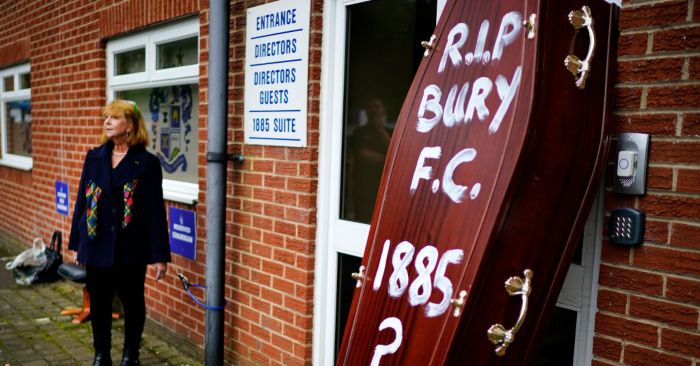
Creditors and fans of Bury FC learned a harsh lesson about Company Voluntary Arrangements (CVAs) last month when the team became the first to drop out of the English Football League (EFL) in 27 years.
The club’s supporters, including local MP James Frith, are calling for an inquiry into the CVA arranged in July 2019 by the club’s owner, Steve Dale.
Their concerns centre on a £7.1m claim admitted into the CVA as a debt owed to a company in administration, Mederco, owned by Stewart Day, a former owner of Bury FC.
Day sold the football club to Dale for £1 in December, but the new owner couldn’t make Bury FC profitable. Within 7 months he’d placed the club on the open market, and into a CVA.
Creditors, including the taxman, initially rejected the CVA proposal, which offered to pay 25% of debts owed. They were probably holding out for more, but in truth never stood a chance.
Creditors representing 75% (in value) of a company’s debt must vote in favour for a CVA to be approved.
Pushing through a CVA
Consequently, company directors desperate to push through CVAs sometimes find ways to circumvent difficult creditors. For example, a director in Dale’s situation could approach the Mederco administrator and say:
“You’re not going to realise your claim; it’s tricky, complicated, and unquantified. But I know a potential buyer who’s not directly connected to me. Why not sell the debt to them?”
This is possible because around the same time Dale arranged the CVA, Mederco’s administrator sold a claim for £70,000 to a newly-formed company, RCR Holdings, owned by the partner of Dale’s daughter.
It’s also possible that reasons could be found to inflate the value of the claim to £7.1m, which is 75% of Bury FC’s total debts. Under these circumstances, a director in Dale’s position can push their CVA through by telling opposing creditors:
“I’ve just received a new claim from RCR Holdings, a company which has become Bury FC’s biggest creditor. Coincidentally, they agree to the terms of my CVA proposal.”
Sadly, creditors were doomed from the day Dale bought the club for a £1. Clearly, Bury FC was insolvent and always a risky investment for everyone involved.

Insolvency and Third-Party Recovery Action: Why Both Matter
When an investment business fails, investors naturally look to the appointed insolvency practitioner (IP) for answers. That is entirely understandable. An administrator or liquidator has…

How ODLA Recovery Works
The Director’s Loan Account Knowledge Centre: A structured approach before formal insolvency The previous articles in this Knowledge Centre explained what an Overdrawn Director’s Loan…

If You Are a Loan Note Holder, Your Experience Matters
If you invested in loan notes issued by the 79th Group, please take a few minutes to complete an Investor Reliance Questionnaire. And if you…

Commercial Solutions before Insolvency
The Director’s Loan Account Knowledge Centre: Why acting early can create more options When a business experiences financial pressure, directors often priorotise immediate needs. Cash…