
BLOG POST
Could You Already Have an Overdrawn Director’s Loan Account?
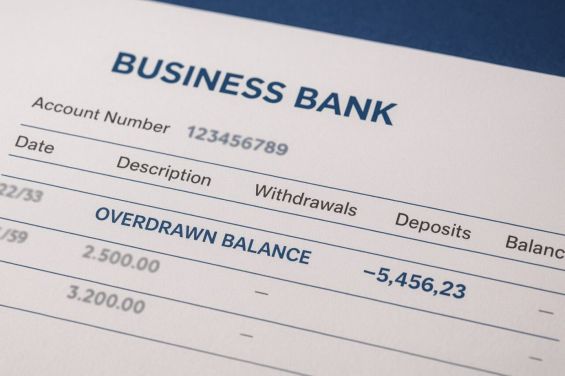
The Director’s Loan Account Knowledge Centre: The Hidden Liability on Thousands of Company Balance Sheets
Thousands of company directors have an overdrawn Director’s Loan Account (ODLA) without realising. It rarely happens because someone makes a bad decision. More often, it develops through everyday business activity. Small withdrawals, personal expenses, or temporary borrowing can gradually create a balance that attracts little attention.
For many businesses, it remains hidden until the year-end accounts are prepared or financial pressures begin to grow. By then, directors are often surprised to discover they already have an ODLA.
What is an ODLA?
A Director’s Loan Account records money as it moves between a company and one of its directors. The account is in credit if the company owes the director money, but it becomes overdrawn when the director owes the company.
That overdrawn balance represents money due back to the company. As a result, it forms part of the company’s assets and may become increasingly important if the company’s financial position changes.
How does it happen?
Many directors never intend to create an overdrawn loan account. Instead, it develops gradually through normal business activity. A director may take drawings before profits are confirmed or pay a personal expense through the company. They may even borrow funds during a difficult trading period, expecting to repay a few months later.
Sometimes the balance grows because transactions are rarely reviewed or recorded incorrectly. None of these situations automatically creates wrongdoing, but together they can produce a significantly overdrawn balance.
Everyday examples
An ODLA can arise in many different ways. Perhaps the company pays for a family holiday, and the cost is intended to be repaid later. A director may purchase a personal vehicle through the company account or use company funds to cover household expenses during a temporary cash flow shortage.
In other businesses, drawings continue throughout the year before dividends have been declared. The intention may always be to balance the account later, but changing business circumstances sometimes prevent that from happening. These examples are common in owner-managed businesses and demonstrate how easily an overdrawn balance can develop without attracting immediate attention.
Why businesses ignore it
Few directors deliberately ignore an overdrawn Director’s Loan Account. Running a business demands constant attention. Directors are focused on customers, staff, suppliers and cash flow. The loan account often becomes something to review at the end of the financial year.
Although that approach can seem perfectly reasonable when the business is performing well, the balance continues to exist whether it’s reviewed regularly or not. Understanding this quickly gives directors a clearer picture of the company’s financial health.
Why it may be overlooked by accountants
Accountants play an essential role in helping businesses prepare accounts, communicate with HMRC, and meet their reporting obligations. However, an accountant’s role depends on the scope of their engagement. Unless a Director’s Loan Account becomes a specific area of discussion, the wider commercial implications may not always form part of the advice being sought.
For that reason, directors should not assume that silence means there is nothing to consider. Asking questions and understanding the balance remains an important part of good governance.
Five warning signs
Several indicators suggest that a Director’s Loan Account deserves closer attention:
- You regularly pay personal expenses through the company
- You take drawings throughout the year without reviewing the balance
- You are unsure how much you currently owe the company
- The balance has increased over successive accounting periods
- The company is experiencing financial pressure while the loan account remains unresolved
None of these signs confirms that a problem exists; however, they do suggest that the account should be reviewed with appropriate professional advisers.
Why early awareness matters
An overdrawn Director’s Loan Account is often easier to understand than to unwind. The earlier directors identify the position, the more opportunity they may have to consider appropriate commercial options. If financial difficulties later arise, the company’s assets are likely to receive greater attention.
An unresolved Director’s Loan Account may become part of those discussions. Understanding the position before that stage allows directors to make informed decisions rather than reacting under pressure.
Key takeaway
Many overdrawn Director’s Loan Accounts develop quietly over time. They are often the result of ordinary business decisions rather than deliberate action. The important step is recognising the balance and understanding its implications. A simple review today may prevent more complex discussions in the future.
Speak to Insolvency & Law
Insolvency & Law Ltd advises directors, companies, and professional advisers on commercial issues involving overdrawn Director’s Loan Accounts. Email info@insolvencyandlaw.co.uk for more info.
Disclaimer: Insolvency & Law Ltd is not a firm of solicitors or licensed insolvency practitioners. We do not conduct regulated legal or financial activities. This article is for general information and public interest reporting only. It is not legal, financial, or investment advice. Investors should consider obtaining independent advice regarding their own circumstances where appropriate.

The Psychology of Investment Decisions
When an investment fails, people often ask: “How could so many intelligent people have invested?” The question is understandable. It is also based on a…

Could You Already Have an Overdrawn Director’s Loan Account?
The Director’s Loan Account Knowledge Centre: The Hidden Liability on Thousands of Company Balance Sheets Thousands of company directors have an overdrawn Director’s Loan Account…

What Do Investor Reliance Questionnaires Really Tell Us?
When lawyers analyse investment disputes, one question often proves to be more important than any other: what persuaded investors to part with their money? Having…

The Director’s Loan Account Trap
The Complete Guide for Company Directors Introduction Most company directors understand cash flow, sales, and profitability. Far fewer understand their Director’s Loan Account (DLA). That…