
BLOG POST
Appeal court win for company directors
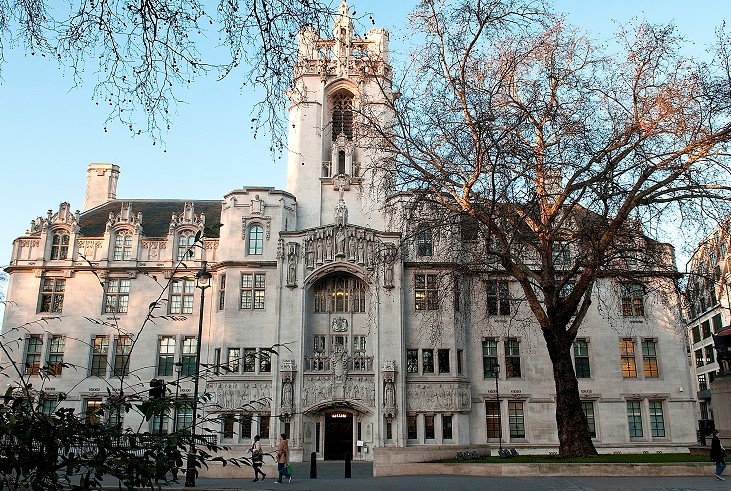
The UK Supreme Court recently dismissed a claim for a law change that would force company directors to take creditors into account at the first sign of insolvency.
Instead, the Supreme Court upheld the current law. As a result, directors only need to prioritise creditors when company insolvency is highly likely. Under the current ruling, company directors do not have to act immediately. A director’s duty to creditors only triggers when a company:
- Becomes insolvent
- Is on the brink of insolvency
In a recent case, debt collector BTI filed a lawsuit against Scottish paper maker Sequana.
Supreme Court blow for creditors
The action sought to reclaim a £188m dividend paid to Sequana by subsidiary company AWA. Although AWA was solvent at the time, the company had long-term pollution liabilities, which made insolvency a likely outcome.
BTI brought a claim against the AWA directors who allowed the payment. They argued that by making the payment, the directors had breached their duty to protect creditors’ interests. BTI’s appeal was, however, dismissed.
The Supreme Court ruled that considering the circumstances when AWA paid the dividend, the company’s directors were not obliged to:
- Consider creditors
- Act in creditors’ interests
Pro-director ruling
The Supreme Court’s findings should please directors as they suggest that creditors only need to be considered if:
- Insolvency is imminent
- It becomes more likely than not the company will become insolvent
However, this move will annoy creditors who may justifiably argue the ruling:
- Ignores the risks creditors face
- Gives directors a licence to do as they please
And there is one important question: how does anyone determine when a company is on the brink of insolvency? The Supreme Court’s ruling did not specify. The precise moment that triggers this duty remains unknown and seemingly at the discretion of directors.

Insolvency and Third-Party Recovery Action: Why Both Matter
When an investment business fails, investors naturally look to the appointed insolvency practitioner (IP) for answers. That is entirely understandable. An administrator or liquidator has…

How ODLA Recovery Works
The Director’s Loan Account Knowledge Centre: A structured approach before formal insolvency The previous articles in this Knowledge Centre explained what an Overdrawn Director’s Loan…

If You Are a Loan Note Holder, Your Experience Matters
If you invested in loan notes issued by the 79th Group, please take a few minutes to complete an Investor Reliance Questionnaire. And if you…

Commercial Solutions before Insolvency
The Director’s Loan Account Knowledge Centre: Why acting early can create more options When a business experiences financial pressure, directors often priorotise immediate needs. Cash…