
Creditor
Post-Covid-19 termination clauses
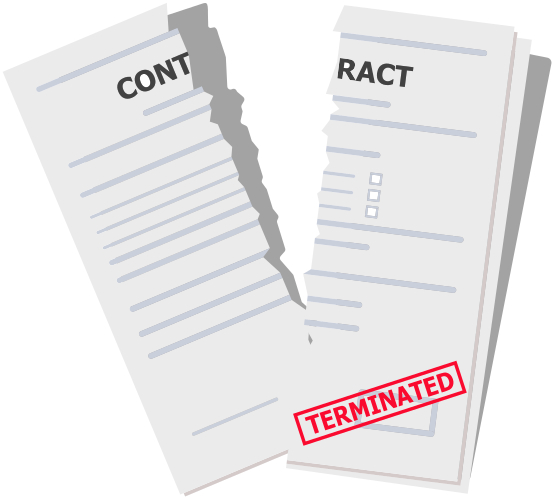
One of the most controversial proposals in the Corporate Insolvency and Governance Act is the suspension of termination clauses. Medium and large creditors are prevented from using the terms of their contract to stop the supply of ‘essential’ goods and services to a company in a formal insolvency procedure. However, the suspension of termination clauses…
Read MoreHow to deal with disputed invoices
Dealing with disputed invoices can be challenging, especially if your customer is squabbling simply to avoid payment. The most important thing is to take time to understand what the dispute is. Then, isolate and seek to resolve the issue as quickly as possible. If you believe the dispute is bogus, explain your reasons and press…
Read More123 Pay: Business document review

Insolvency and Law’s latest offering, 123 Pay, is a credit management service that reviews your trading documents to help your company get paid quicker. Let I&L review and evaluate your trading documents. Send us your written estimates/quotations; sales contracts/orders; delivery notes; invoices and reminders to ensure they’re robust and fit for purpose. This element of…
Read MoreStat Ds and undisputed, but overdue invoices

Issuing a Statutory Demand (or Stat D) is an effective way to encourage prompt payment of overdue invoices and debts, but it’s not the only method. A Stat D is a formal document requesting payment of an outstanding debt within 21 days. By issuing one, you give creditors another 3 weeks to pay a debt…
Read MoreCCJs, winding-up petitions and undisputed debts

Sometimes, you may need to issue a County Court Judgment (CCJ) or a Winding-Up Petition on an insolvent company that owes you money. But what’s the difference? County Court Judgments usually come about when a company refuses to pay an overdue debt. The creditor (claimant) who’s owed money commences proceedings by visiting the Government’s website,…
Read MoreCVA bubble bursts for Bury FC creditors
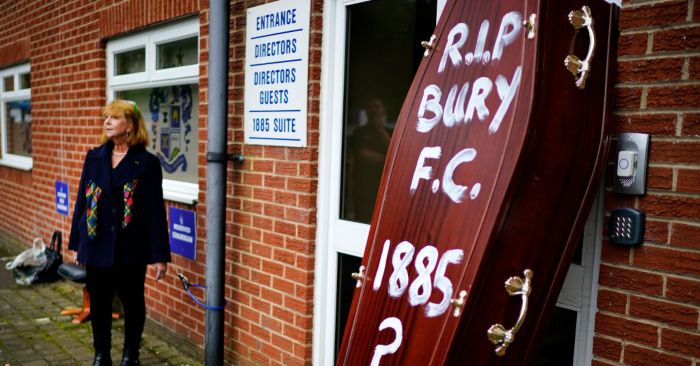
Creditors and fans of Bury FC learned a harsh lesson about Company Voluntary Arrangements (CVAs) last month when the team became the first to drop out of the English Football League (EFL) in 27 years. The club’s supporters, including local MP James Frith, are calling for an inquiry into the CVA arranged in July 2019…
Read More